Replace the Tub Surround or Remodel the Whole Bathroom? How to Decide
By Brian Beard, Beard's Home Services · Mountain Home, AR
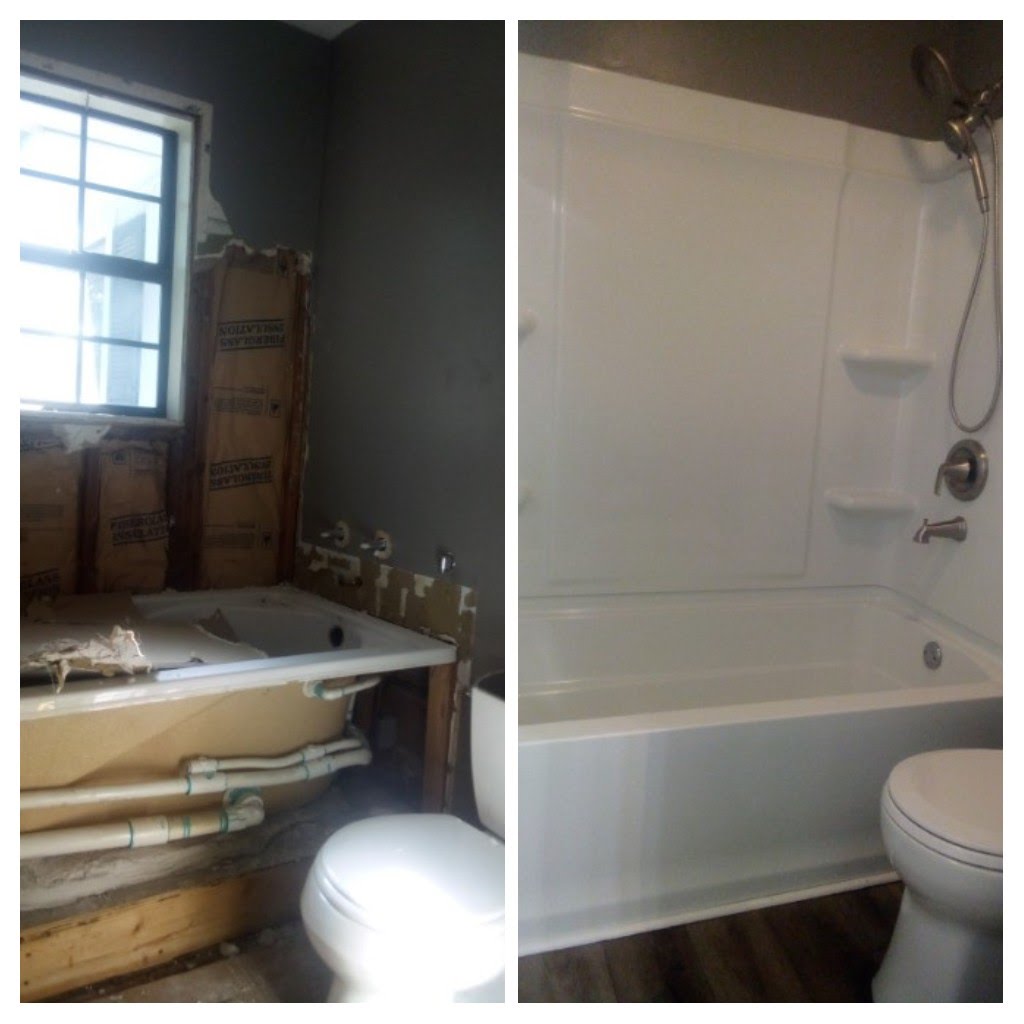
A lot of the bathrooms I walk into in the Twin Lakes area have the same story: cracked or yellowed fiberglass around the tub, grout that won't come clean, caulk that's been redone five times. The homeowner assumes they're in for a full remodel. Sometimes they are. Often they're not. The answer is almost always behind the wall, not in front of it.
When a New Surround Is Enough
Replacing just the tub surround or shower walls makes sense when:
- The tub itself is in good shape — no cracks, no soft spots when you stand in it, no chips through to the base material.
- The walls behind the surround are solid. Push on the old surround around the faucet and along the bottom edge. Firm is good. Spongy is not.
- The plumbing works and you're happy with where everything is. Valve, spout and showerhead staying put keeps a project simple.
- The floor around the tub is solid with no staining or give at the edge.
When those boxes are checked, new walls — whether a one-piece or multi-piece surround, solid panels, or tile over a proper backer board — completely changes how the room feels, and it's usually a few days of work instead of a few weeks.
Signs the Problem Goes Deeper
These are the things that turn a surround job into a remodel, and you want to know about them before you buy anything:
- Soft drywall or a soft floor near the tub. That usually means water has been getting behind the surround for a while. The wet material has to come out, and anything rotted has to be replaced, or the new surround is just covering up the problem.
- Tile over regular drywall. Older bathrooms sometimes have tile glued straight onto plain drywall. It looks fine until the paper face rots behind it.
- A leaking or worn-out valve. If the faucet drips or the handle is hard to turn, replace the valve while the wall is open. Doing it later means tearing out new walls.
- The tub itself is failing. A cracked tub or one that flexes underfoot needs to come out, and once it's out you're into the floor and the wall framing anyway.
- A layout you don't like. Converting a tub to a walk-in shower, moving the vanity, or adding a second sink is a remodel by definition.
Do It Once
The worst outcome is the one I see too often: a brand new surround glued over a wet, failing wall, because nobody looked. Before any surround goes up, the old one should come off and the wall behind it should be checked. If it's sound, great — you just saved yourself a remodel. If it isn't, now's the cheapest time you'll ever have to fix it.
And whichever way it goes, the details that keep water out are the same: a proper moisture barrier or waterproof backer behind tile, sealed penetrations around the valve and spout, and a good bead of silicone where the walls meet the tub.
The Short Version
A tired-looking tub area doesn't automatically mean a gut job. If the tub, the walls and the floor are solid, new walls are a fast, big upgrade. If anything is soft, stained or leaking, fix that first — then decide how far you want to take it.
Brian Beard has been doing home repair and remodeling in Mountain Home, AR and the Twin Lakes area for over 20 years. See our bathroom remodeling services, or call or text (870) 321-1072 for a free estimate, no upfront payment.